
Share on socials:
PRP Therapy for Men vs Women: Key Differences Explained
PRP Therapy for Men vs Women: Key Differences Explained
PRP Treatment
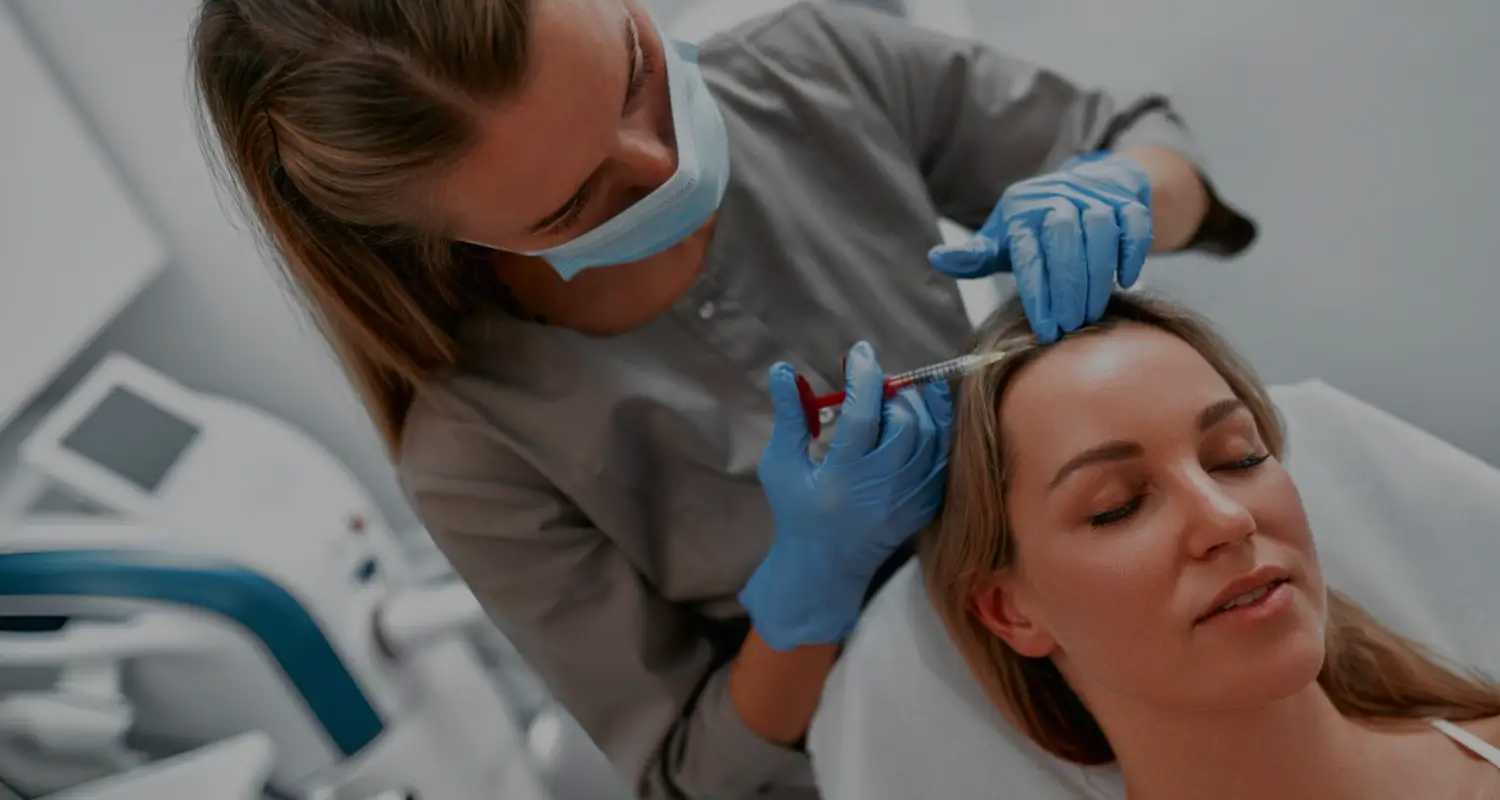
Platelet-Rich Plasma (PRP) therapy is one of the most effective non-surgical treatments for hair loss. While PRP works for both men and women, the causes of hair loss, treatment approach, and results can differ significantly between genders.
What Is PRP Therapy?
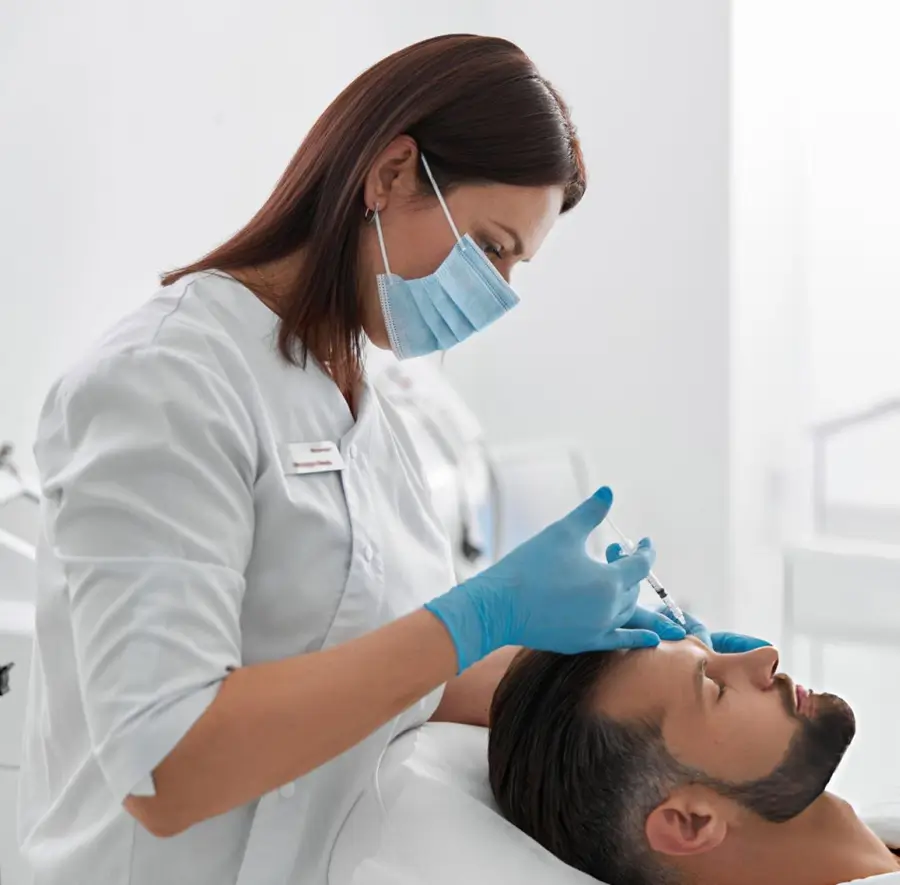
PRP therapy uses your own blood to extract platelet-rich plasma, which is rich in growth factors. When injected into the scalp, PRP:
- Stimulates dormant hair follicles
- Improves blood circulation
- Strengthens existing hair
- Reduces hair fall
- Encourages natural hair regrowth
Causes of Hair Loss: Men vs Women
Hair Loss in Men
Men commonly experience androgenetic alopecia, caused by sensitivity to DHT (dihydrotestosterone). Hair loss usually starts with:
- Receding hairline
- Thinning at the crown
- Gradual progression over time
Hair Loss in Women
Women usually face diffuse hair thinning rather than bald patches. Common causes include:
- Hormonal imbalance
- PCOS or thyroid issues
- Stress and nutritional deficiencies
- Post-pregnancy or menopause
PRP Therapy for Men
- Focuses on specific bald areas (hairline and crown)
- Works best in early stages of hair loss
- Often combined with medications to control DHT
- Helps slow hair loss and thicken existing hair
Note: PRP cannot regrow hair in completely bald areas where follicles are dead.
Number of PRP Sessions Required
- Men – 4–6 sessions
- Women – 3–5 sessions
Sessions are usually done every 4–6 weeks, with maintenance sessions every 6–12 months.
Results: What to Expect
Men
- Reduced hair fall in 1–2 months
- Improved hair thickness in 3–4 months
- Best results when started early
Women
- Noticeable reduction in hair shedding
- Improved volume and shine
- Healthier scalp condition
Is PRP Therapy Safe for Both Men and Women?
Yes. PRP therapy is:
- 100% natural (uses your own blood)
- Non-surgical
- Minimal pain and downtime
- Suitable for both genders
Side effects are rare and may include mild redness or tenderness.
Conclusion
PRP therapy is effective for both men and women, but customization is key. Understanding the cause and pattern of hair loss allows doctors to tailor PRP treatment for the best possible results.
If you’re experiencing hair loss, PRP therapy could be a safe and effective solution—especially when started early.
Take the First Step Today!
Don’t let hair loss define you. Whether you’re looking to restore your hairline, achieve fuller density, or regain confidence, KERA is here to help. Our expert team is dedicated to providing cutting-edge hair restoration solutions tailored to your needs.
For Those Inspired by Our Mission, Here’s How You Can Stay Connected and Support Us
Follow us on Instagram (@kerahairtransplant) to stay updated on the latest advancements in hair restoration, success stories, and expert tips. Help us spread awareness about the importance of early intervention and advanced treatments like DHI and PRP therapy.
By sharing your journey and educating others, you contribute to breaking the stigma around hair loss and encouraging people to take action. Let’s work together to inspire confidence and redefine hair restoration—one transformation at a time!
