Share on socials:
Unshaven hair transplant surgery: What you need to know
Unshaven hair transplant surgery: What you need to know
Unshaven Hair Transplant
Hair transplant procedures have advanced significantly in terms of technique and convenience. One of the latest innovations is the unshaven hair transplant — a discreet option that lets you undergo a transplant without the need to shave your entire scalp.
If you’re seeking a way to restore your hair with minimal impact on your appearance and lifestyle, this could be the ideal solution.
What Is an Unshaven Hair Transplant?
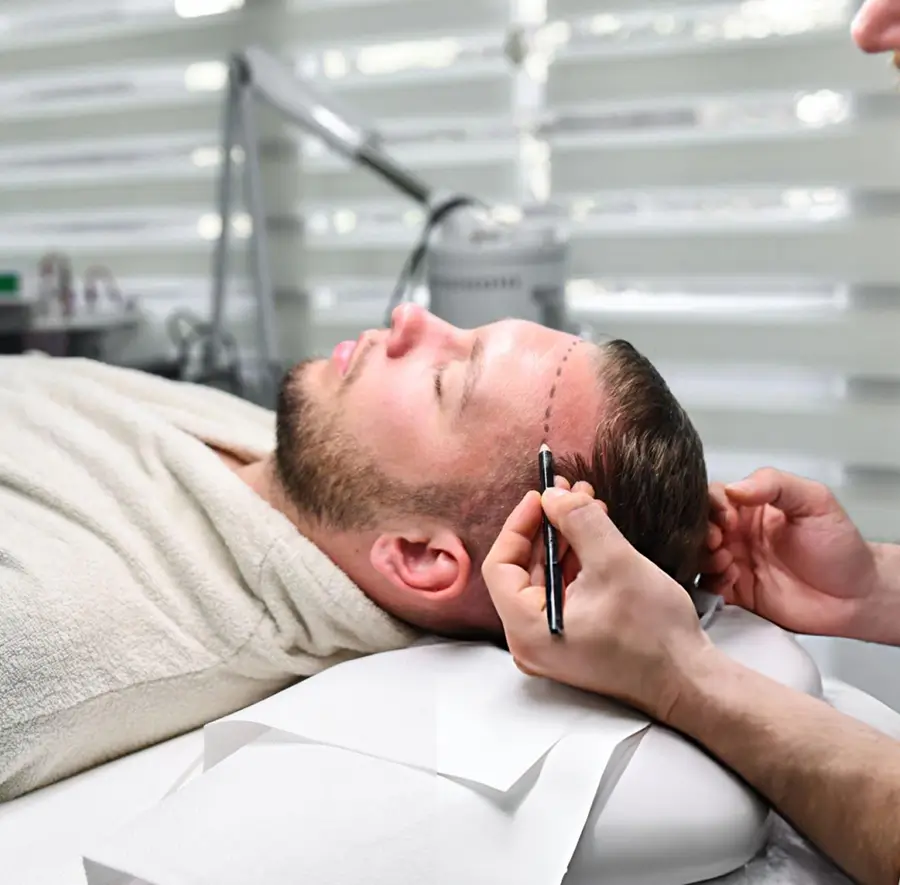
An unshaven hair transplant (also called U-FUE or No-Shave FUE) is a procedure where the donor area is either partially trimmed or left completely unshaven. Unlike traditional transplants that require shaving the head, this technique enables patients to retain their existing hair, making the surgery virtually undetectable in the early stages of healing.
How Does It Work?
The surgeon carefully extracts individual hair follicles from the donor area (usually the back of the head) without shaving the entire area. These follicles are then implanted into the areas of thinning or baldness.
Depending on the method chosen, there are two main types:
Partially Unshaven: Only a small section is trimmed, hidden under longer hair.
Completely Unshaven: No hair is shaved at all; suitable for smaller transplant areas.
Who Is It Best Suited For?
Unshaven hair transplants are ideal for:
- Individuals who wish to maintain their current hairstyle post-surgery
- Working professionals who cannot take extended downtime
- Those with mild to moderate hair loss
- Female patients, for whom shaving the head can be particularly uncomfortable
Note: Not every patient is a candidate. Your surgeon will evaluate your scalp condition, hair density, and goals to determine if this technique is suitable for you.
Benefits of an Unshaven Hair Transplant
Unshaven hair transplants are ideal for:
- No drastic change in appearance
- Discreet healing process
- Quick return to work and social life
- Less anxiety for patients concerned about shaving their head
- Natural-looking results
Are There Any Downsides?
While unshaven hair transplant surgery has many advantages, it’s important to note:
- The procedure takes longer due to the precision involved
- It can be more expensive than traditional FUE
- Not suitable for large bald areas or advanced hair loss
- Requires a highly skilled surgeon
Recovery and Aftercare
Healing after an unshaven transplant is similar to traditional procedures. You may experience mild redness, swelling, or scabbing for a few days. Most patients return to their regular routines within 3 to 5 days.
Gentle scalp care and following post-op instructions will help ensure optimal results.
Is It Right for You?
If you’re seeking a minimally invasive, discreet solution to hair loss — and wish to avoid the hassle of a full head shave — an unshaven hair transplant might be your best option. However, a detailed consultation is crucial to determine suitability.
Conclusion
Unshaven hair transplant surgery is revolutionising the game for individuals seeking to restore their hair without altering their current appearance. It’s a refined, patient-friendly option that delivers natural results with minimal downtime.
At KERA, we specialise in advanced hair restoration techniques, including unshaven FUE. Our experienced team offers personalised consultations to help you make the best decision for your hair goals — with care, comfort, and confidentiality.
Take the First Step Today!
Don’t let hair loss define you. Whether you’re looking to restore your hairline, achieve fuller density, or regain confidence, KERA is here to help. Our expert team is dedicated to providing cutting-edge hair restoration solutions tailored to your needs.
For Those Inspired by Our Mission, Here’s How You Can Stay Connected and Support Us
Follow us on Instagram (@kerahairtransplant) to stay updated on the latest advancements in hair restoration, success stories, and expert tips. Help us spread awareness about the importance of early intervention and advanced treatments like DHI and PRP therapy.
By sharing your journey and educating others, you contribute to breaking the stigma around hair loss and encouraging people to take action. Let’s work together to inspire confidence and redefine hair restoration—one transformation at a time!
