
Share on socials:
What are the main causes of hair fall?
What are the main causes of hair fall?
Hair Fall
Hair fall is a common concern that affects millions of people worldwide. While losing a few strands of hair daily is entirely normal, excessive hair loss can be distressing and impact self-confidence. Understanding the root causes is the first step toward finding the right solution.
In this article, we’ll explore the most common causes of hair fall and when you should consider seeking professional help.
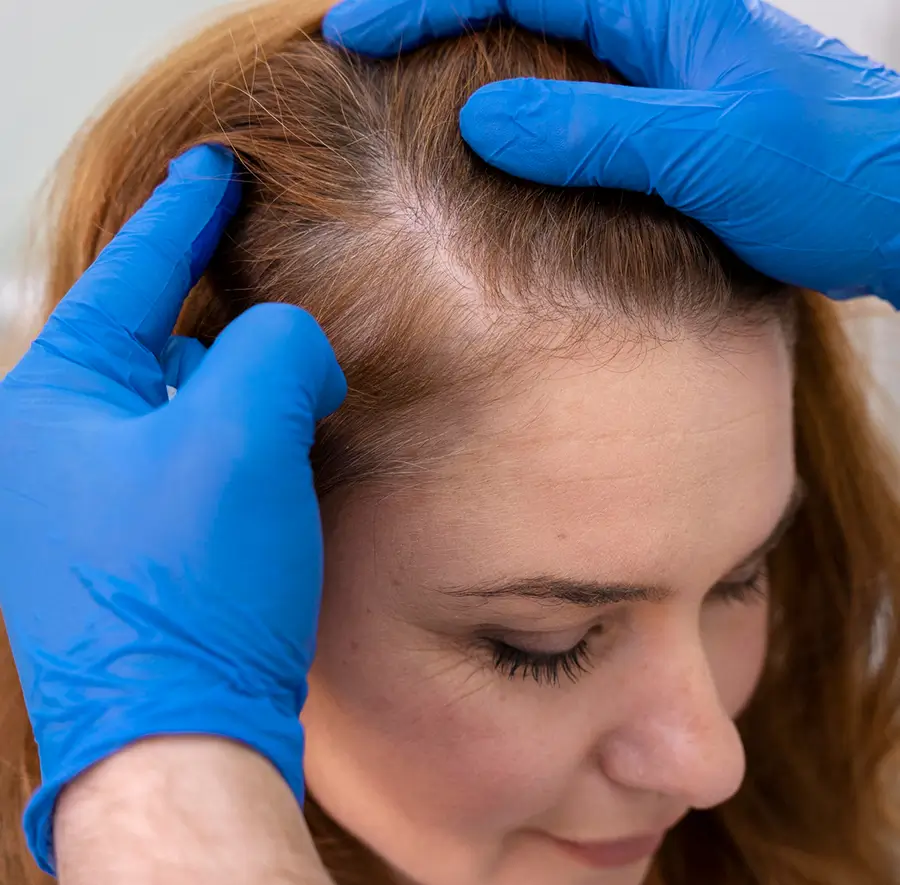
1. Genetic Factors (Androgenetic Alopecia)
Also known as male or female pattern baldness, this is the most common cause of hair loss. It’s hereditary and often progresses gradually, starting with thinning hair on the crown or a receding hairline. Genetics play a crucial role in determining the age at which hair loss begins and its extent.
Did you know? Androgenetic alopecia affects up to 50% of men and women over the age of 50.
2. Hormonal Imbalances
Changes in hormone levels can trigger temporary or long-term hair loss. Conditions like thyroid disorders, PCOS (Polycystic Ovary Syndrome), pregnancy, or menopause can disrupt the natural hair growth cycle, causing more hair to fall out.
3. Stress and Emotional Trauma
Physical or emotional stress can cause hair follicles to enter a “resting” phase, resulting in a condition known as telogen effluvium. This type of hair fall is usually temporary and may occur after a traumatic event, surgery, illness, or extreme weight loss.
4. Poor Diet and Nutritional Deficiencies
Hair needs essential nutrients like iron, protein, vitamin D, zinc, and biotin to grow. A diet lacking these nutrients can weaken the hair shaft, slow down hair growth, or cause excessive hair loss.
Tip: Eating a balanced diet rich in leafy greens, lean proteins, nuts, and seeds supports healthy hair.
5. Medical Conditions and Medications
Certain health conditions, like autoimmune diseases (e.g., alopecia areata), scalp infections, or chronic illnesses, can cause hair loss. In addition, some medications for high blood pressure, cancer (chemotherapy), depression, and heart conditions can also lead to thinning hair.
6. Hairstyling Habits and Hair Treatments
Tight hairstyles, such as ponytails, braids, or buns, can cause traction alopecia, a condition that damages hair follicles over time. Excessive heat styling, bleaching, colouring, or chemical treatments can also weaken hair and lead to breakage or shedding.
7. Environmental Factors and Pollution
Air pollutants, UV radiation, and water quality (especially hard water) can affect scalp health and weaken hair. Exposure to harsh environments without proper protection can gradually lead to hair damage and loss.
When to See a Specialist
If you notice sudden or excessive hair fall, visible bald patches, or thinning that doesn’t improve with lifestyle changes, it’s best to consult a hair specialist. Early diagnosis and treatment can significantly impact the management and reversal of hair loss.
Conclusion
Hair loss can result from a variety of causes, including genetics, stress, nutritional deficiencies, and medical issues. Understanding the underlying causes of your hair loss can help you take the proper steps toward effective treatment and regrowth.
At KERA, we offer personalised hair loss solutions, including advanced diagnostics and tailored treatment plans. Whether you’re in the early stages or seeking a long-term fix, our experts are here to help you restore your confidence, one strand at a time.
Take the First Step Today!
Don’t let hair loss define you. Whether you’re looking to restore your hairline, achieve fuller density, or regain confidence, KERA is here to help. Our expert team is dedicated to providing cutting-edge hair restoration solutions tailored to your needs.
For Those Inspired by Our Mission, Here’s How You Can Stay Connected and Support Us
Follow us on Instagram (@kerahairtransplant) to stay updated on the latest advancements in hair restoration, success stories, and expert tips. Help us spread awareness about the importance of early intervention and advanced treatments like DHI and PRP therapy.
By sharing your journey and educating others, you contribute to breaking the stigma around hair loss and encouraging people to take action. Let’s work together to inspire confidence and redefine hair restoration—one transformation at a time!
